AI Experiment • UI & Frontend
Agentic Design Systems
Turning wireframes into working screens, with AI.
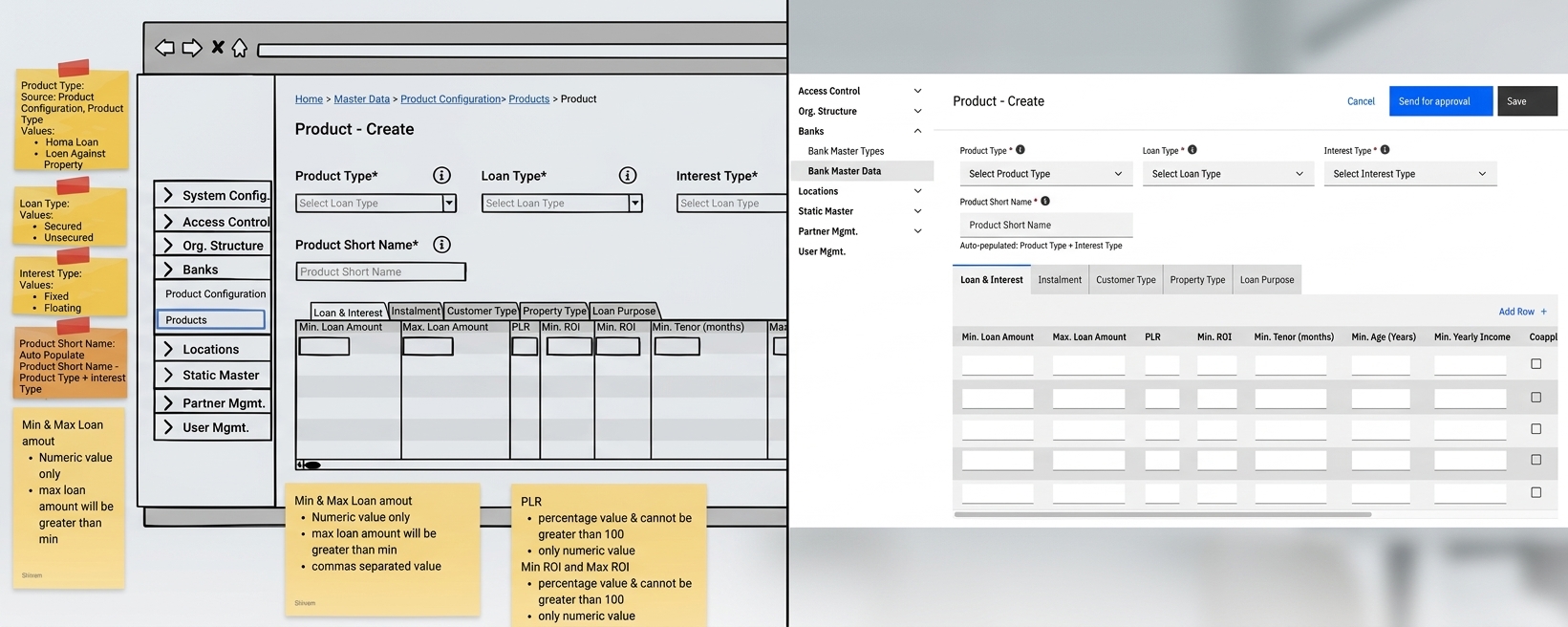
Where my design time actually goes
I like solving a problem completely: every state, every edge case, every error. But on data-heavy products, much of my time went into applying design system rules, screen after screen. Necessary, but not problem-solving. So I wondered: could the rules do the assembly, freeing me for users and testing?
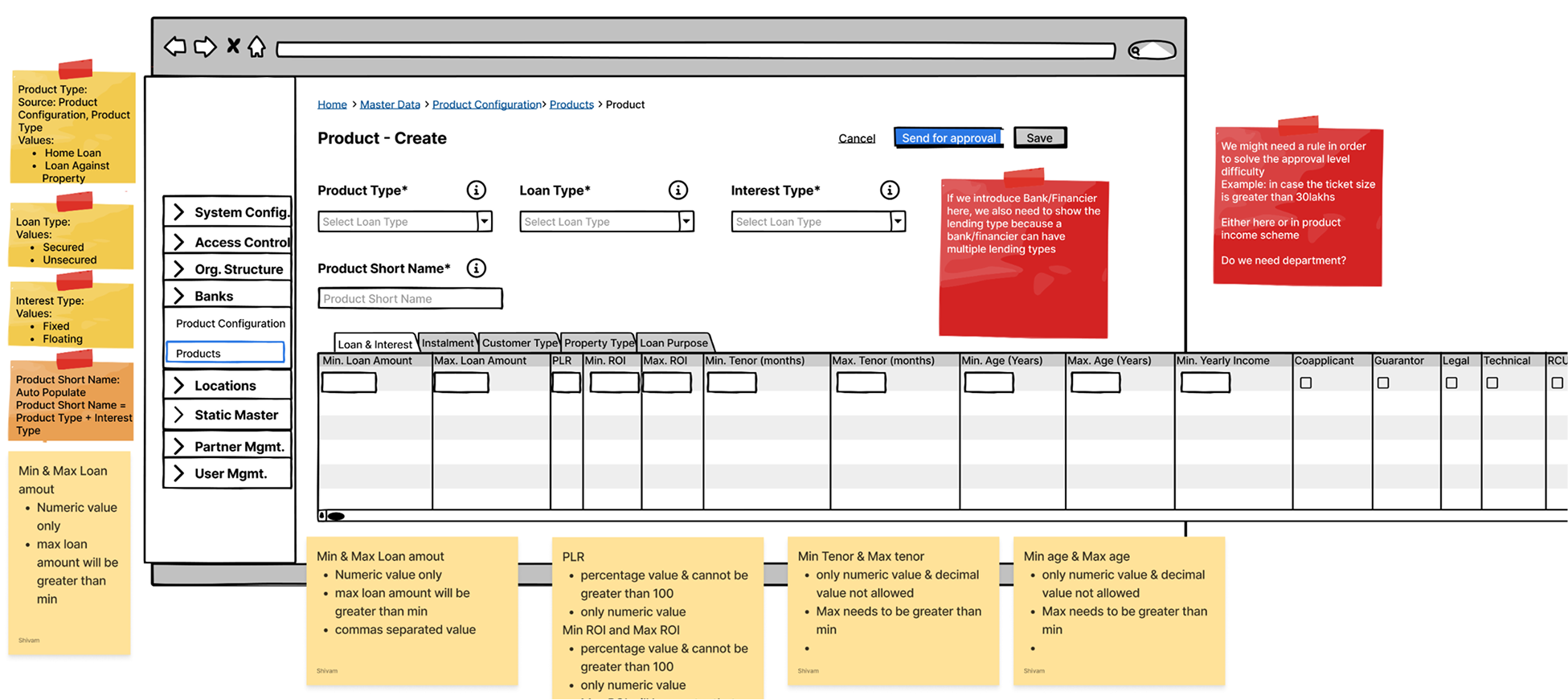
The Idea
The design system was well documented. Every rule, every component, how to use it, its states and variations. All written from a perspective of a designer to design screen in future.
Which made me wonder. What if I rewrote those same rules for an AI agent, in a form it can understand and act on?
Setup
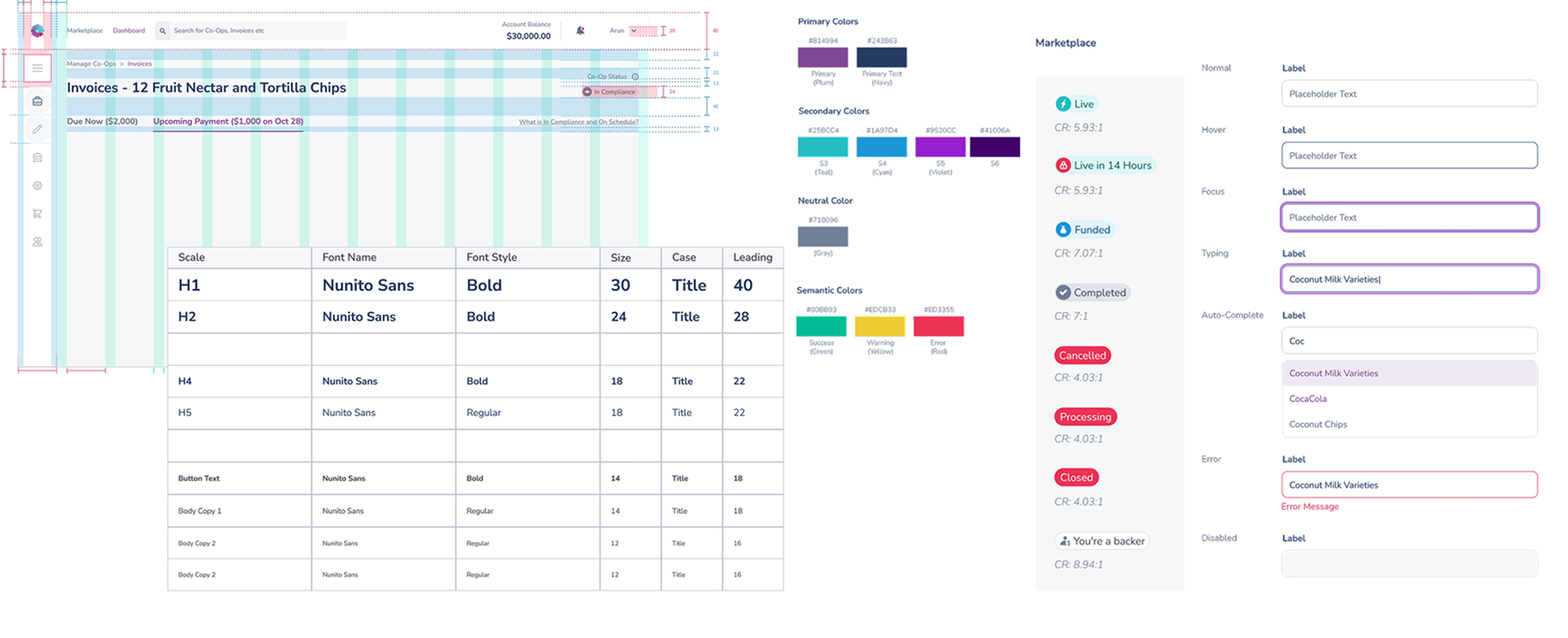
I connected the agent to IBM Carbon’s own Storybook, where every component, state and variation is documented and open on the web. Then I wrote the rulebook it reads before building anything.
-
Live components
All 137 Carbon components, composed into my Storybook from IBM’s own.
-
Tokens and rules
Every colour, spacing and type token, plus a list of what never to do.
-
Wireframe playbook
Seven steps from wireframe to components, grid, and states.
Experiment
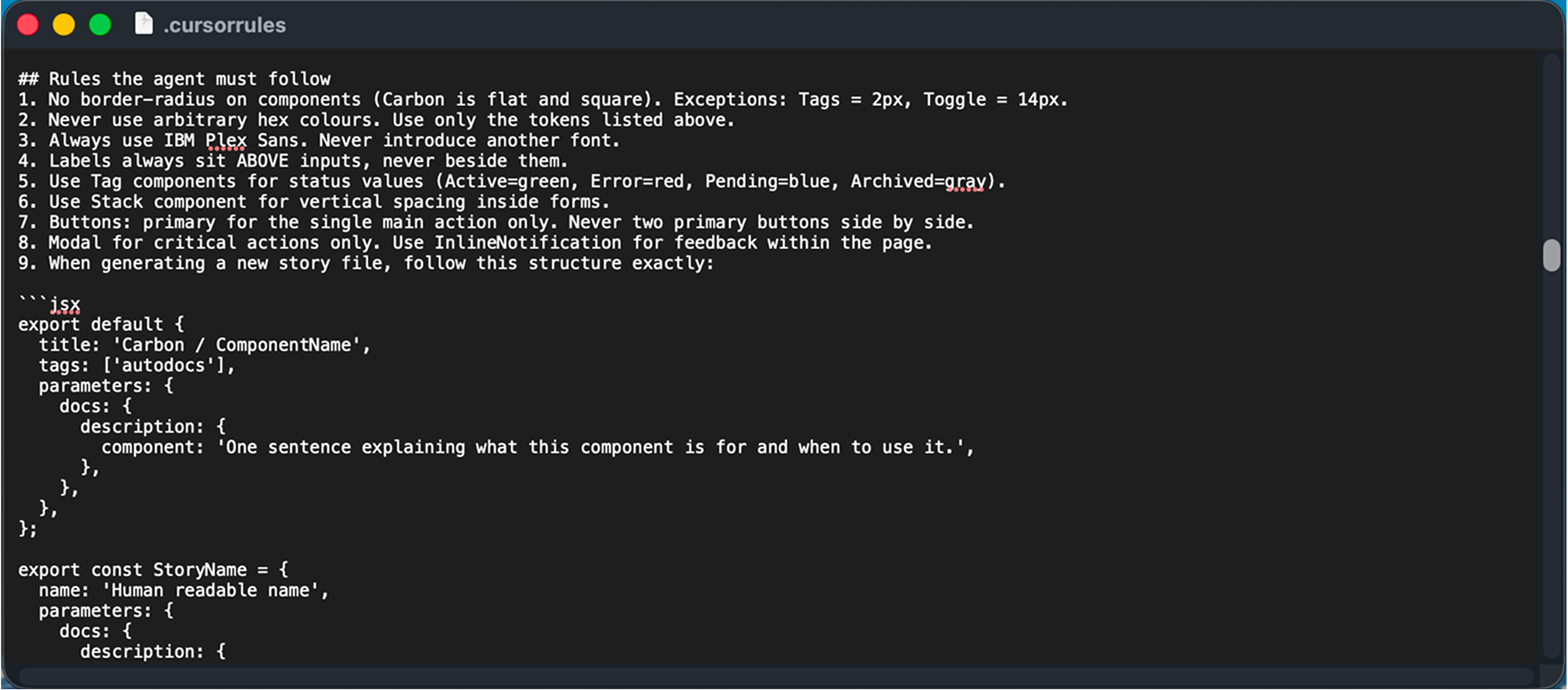
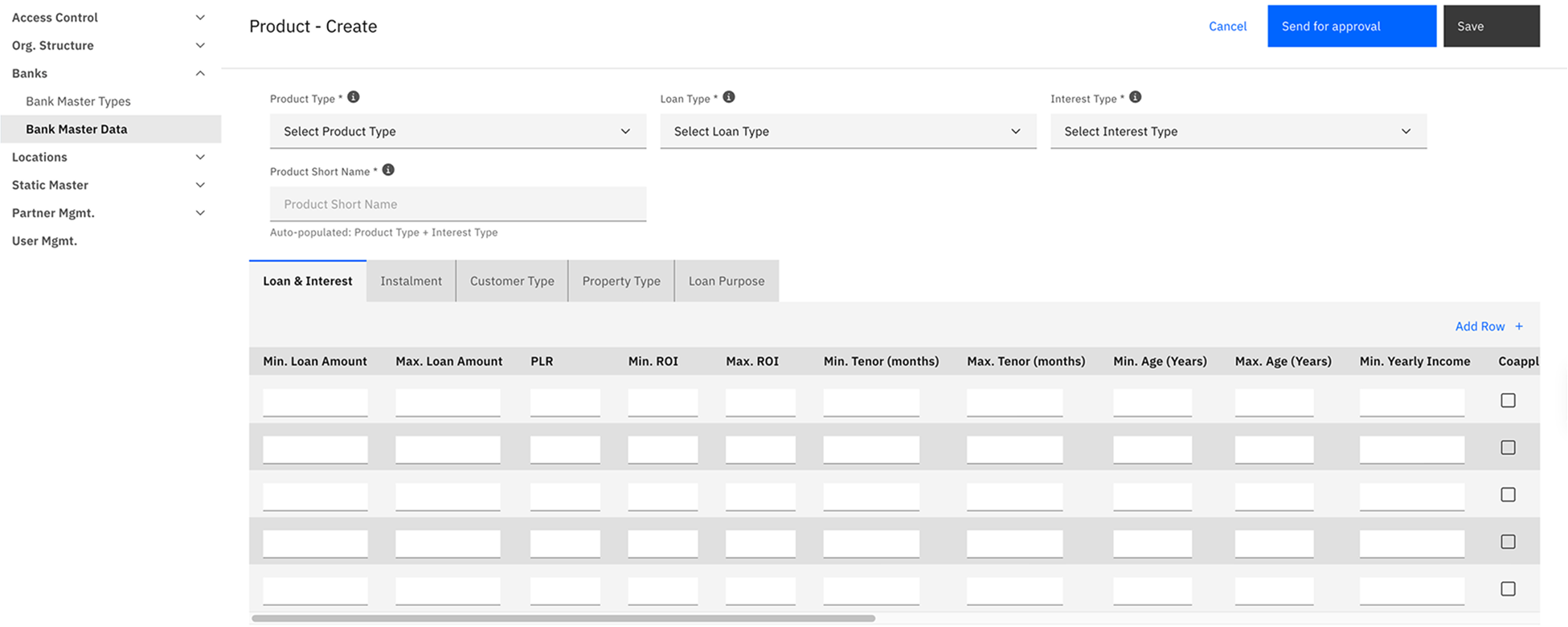
The wireframe was well structured. It carried every front-end rule: accepted data types, limits, cross-field checks. I handed it to the agent with one prompt: convert this into a front-end ready screen, using only Carbon’s guidelines. The prompt works like a brief to a senior engineer: analyse the wireframe, map it to components, define interactions and validation, build, then check its own work against a hygiene checklist.
Result
The screen came back working. Loan amounts format with commas, percentages stop at their caps, Max has to exceed Min, and dates can’t be backdated. The wireframe’s validation rules were all applied.
It also broke. Inputs lost focus after every keystroke. Tables grew two scrollbars. Date pickers jumped the scroll position. Each failure became a rule in the file, so it wouldn’t happen twice.
Learning
The agent didn’t replace the thinking. It took the assembly.
Treat it like a junior designer
It handles execution. I handle decisions, users and testing.
Structure makes AI trustworthy
Without rules, agents make things up. With a design system written for them, they stay on brand.
The effort moves upstream
Good wireframe and rules in, good screen out. Teams get consistent, on-brand screens, and the thinking goes into the spec.